5 posts tagged with "corporate"

View All Tags

Mastering Employee-Generated Videos: Strategies for Engaging Content and Positive Company Culture

· 10 min read
Marcello Violini
Founder at Teyuto

In the age of social media and digital technology, employee-generated video content has become a powerful tool for organizations to engage with their audience and showcase their company culture. With the rise of video platforms like YouTube, TikTok, and Instagram, employees are now more than ever before, creating and sharing videos related to their workplace. While this trend presents numerous benefits for businesses, it also brings challenges in terms of managing the content and ensuring it aligns with the company's values and goals. Hence, effective management of employee-generated video content has become crucial for organizations to maintain their brand image and reputation. In this article, we will delve into the importance of managing employee-generated video content, the benefits it offers, and the strategies that can be implemented to effectively manage this type of content. By the end of this article, readers will have a comprehensive understanding of the key elements involved in managing employee-generated video content and how it can contribute to the success of their organization.

WHAT IS EMPLOYEE-GENERATED VIDEO CONTENT?
Employee-generated video content is a rapidly growing form of digital media that has become an integral part of modern businesses. It refers to videos that are created and shared by employees, rather than the company itself. This type of content is typically created on smartphones, tablets, or other devices that are easily accessible to employees, making it a cost-effective and efficient way to communicate and engage with audiences.

But what exactly is employee-generated video content, and why is it gaining popularity? In simple terms, it is any video content that is created, shared, and consumed by employees within an organization. This can include anything from behind-the-scenes footage, product demonstrations, team-building activities, to showcasing company culture and values.

One of the main reasons why employee-generated video content is becoming increasingly popular is due to its authenticity. In today's digital age, consumers are inundated with branded content and advertisements, making it challenging for companies to stand out and connect with their target audience. Employee-generated videos, on the other hand, offer a refreshing change of pace as they provide an unfiltered and genuine look into the company and its employees.

Moreover, employee-generated video content can also be a powerful tool for employee engagement and internal communication. By involving employees in the content creation process, companies are able to foster a sense of ownership and pride among their workforce. This, in turn, can lead to increased employee satisfaction and loyalty, ultimately resulting in a positive impact on the company's bottom line.

Another significant benefit of employee-generated video content is the ability to manage and control the content more effectively. With employee-generated video content, organizations have the opportunity to set guidelines and standards for what can be shared and ensure that it aligns with the company's values and brand image. This helps to maintain a consistent message and prevent any potential reputational risks that may arise from inappropriate or unauthorized content. Additionally, by managing employee-generated video content, organizations can also track and monitor the performance and impact of these videos, allowing them to make data-driven decisions and optimize their video content strategy. Overall, effective management of employee-generated video content can result in a more cohesive and impactful video presence for the organization.

ENHANCE INTERNAL COMMUNICATIONS THROUGH VIDEO
In today's digital age, companies are constantly seeking innovative ways to enhance internal communications and foster a positive employee experience. One powerful tool that has emerged as a game-changer in this realm is video. Leveraging video in internal communications can significantly transform the way information is shared and received within an organization. With the ability to capture attention, convey complex messages effectively, and evoke emotions, video has become an invaluable asset for strengthening company culture and improving internal communication strategies. Whether it's through informative training videos, engaging company-wide announcements, or interactive virtual town halls, incorporating video management into internal communications can cultivate a more connected and informed workforce, ultimately leading to higher employee engagement and a more cohesive company culture.

FOSTER A POSITIVE COMPANY CULTURE

Creating a positive company culture is essential for fostering employee engagement, productivity, and overall satisfaction. It starts with establishing clear values and a shared vision that aligns with the organization's mission. Encouraging open and transparent communication channels promotes collaboration and strengthens relationships among team members. Providing opportunities for professional development and recognizing employee achievements not only boosts morale but also demonstrates a commitment to individual growth. In addition, promoting work-life balance and wellness initiatives shows a genuine concern for employee well-being. By prioritizing the employee experience and integrating these principles into the fabric of the organization, a positive company culture can be nurtured, resulting in a motivated workforce and a thriving, supportive work environment.

EMPOWER EMPLOYEES TO SHARE EXPERIENCES

In order to further enhance the employee experience and strengthen internal communications, organizations should consider empowering employees to share their experiences through the use of video content. Video has become an increasingly popular and effective medium for communication, allowing employees to express their thoughts, ideas, and insights in a visual and engaging manner. By providing employees with the tools and resources for video creation and management, companies can tap into the power of storytelling and enable employees to showcase their unique perspectives and experiences. This not only fosters a sense of belonging and connection among team members but also promotes authenticity and transparency within the organization. Implementing a robust video management system that facilitates the sharing and organization of employee-generated video content can further streamline the process and ensure that these valuable insights are easily accessible to the entire workforce. By embracing employee-generated video content, companies can leverage the power of technology to strengthen company culture, amplify internal communications, and ultimately create a more engaged and connected workforce.

STREAMLINE VIDEO MANAGEMENT PROCESSES

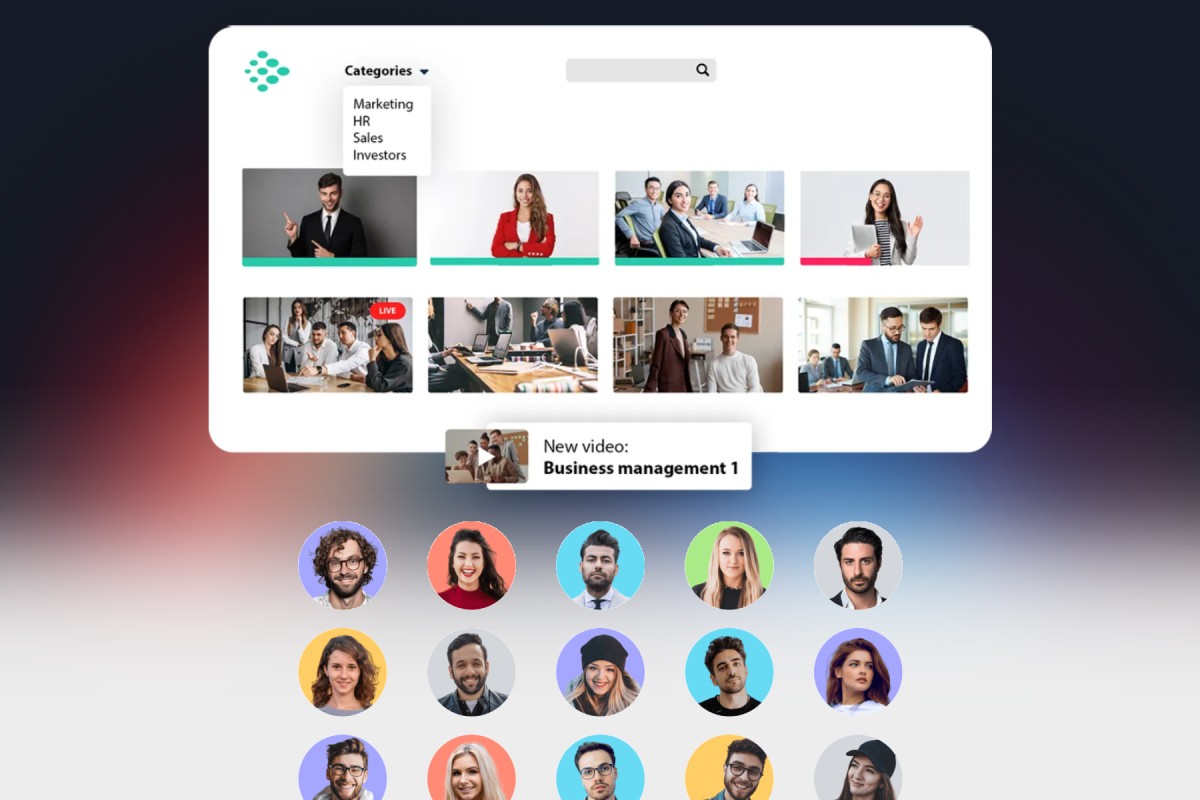
To effectively streamline video management processes, organizations can leverage advanced video management platforms. These platforms provide a centralized hub where all employee-generated video content can be stored, organized, and accessed. With features like automated tagging and categorization, video management platforms simplify the process of indexing and searching for specific videos, saving valuable time and effort. Additionally, these platforms often offer secure permissions and access controls, ensuring that only authorized individuals can view and share sensitive company content. By adopting a comprehensive video management solution, organizations can efficiently manage large volumes of employee-generated videos, enhance collaboration, and foster a strong company culture centered around effective internal communications and employee experience.

HARNESS THE POWER OF STORYTELLING

Storytelling is a powerful tool that organizations can harness to enhance employee experience, internal communications, and company culture. By incorporating storytelling techniques into internal videos, organizations can effectively engage and inspire employees, creating a sense of connection and belonging. Whether it's sharing personal anecdotes, highlighting success stories, or showcasing the impact of a particular project, storytelling adds a human element to the corporate environment, making information more relatable and memorable. It also fosters open communication, encourages collaboration, and strengthens the overall company culture. By embracing the power of storytelling, organizations can create compelling video content that resonates with employees, ultimately driving engagement, productivity, and a positive work environment.

IN CONCLUSION

The use of employee-generated video content can be a valuable tool for companies looking to engage with their audience and showcase their company culture. By setting clear expectations and guidelines, providing proper training and resources, and consistently monitoring and evaluating content, companies can effectively manage this type of content and reap the benefits. Embracing employee-generated video content can lead to increased employee satisfaction, improved brand image, and a stronger connection with consumers. As with any new strategy, it is important to approach it with a professional mindset and utilize best practices to ensure success.

Enter Teyuto, a platform designed to streamline and enhance your organization's video content journey. With Teyuto, managing, creating, and optimizing employee-generated videos becomes a seamless experience. Empower your team to produce compelling content that aligns with your company's values and engages your audience effectively. Teyuto not only simplifies the process but also maximizes the impact of your visual storytelling, ensuring that your organization stands out in the digital landscape. Elevate your video content strategy with Teyuto and embark on a journey towards a more connected, authentic, and engaging company narrative.

FAQ

How can organizations effectively manage employee-generated video content to ensure it aligns with the company's values and messaging?

Organizations can effectively manage employee-generated video content by implementing clear guidelines and policies regarding content creation. This includes providing training and resources on the company's values and messaging, establishing a review process to ensure alignment, and promoting open communication between employees and management. Regular feedback and constructive criticism can help guide employees in creating content that reflects the company's values. Additionally, organizations can leverage technology, such as content management systems, to monitor and track employee-generated videos, allowing for better control and oversight. Ultimately, a proactive approach to managing employee-generated video content can help ensure alignment with the company's values and messaging.

What strategies can be implemented to encourage employees to create and share video content that promotes the organization's brand and culture?

To encourage employees to create and share video content that promotes the organization's brand and culture, several strategies can be implemented. First, provide training and resources on video creation, editing, and storytelling to empower employees with the necessary skills. Next, establish a clear brand and culture messaging framework to guide employees in creating content that aligns with the organization's values. Recognize and reward employees who create and share quality content, fostering a sense of ownership and pride. Additionally, create a collaborative and supportive environment where employees feel comfortable expressing their ideas and creativity. Finally, leverage internal communication channels to actively promote and share employees' video content to increase visibility and engagement.

How should organizations handle employee-generated video content that may be controversial or sensitive in nature?

Organizations should establish clear guidelines and policies regarding employee-generated video content that addresses controversial or sensitive subjects. They should encourage open communication and provide avenues for employees to express their opinions while also maintaining a respectful and inclusive environment. It is essential to review and assess the content to ensure it adheres to the organization's values and does not violate any legal or ethical standards. If necessary, organizations should provide constructive feedback or training to employees to promote responsible content creation. Ultimately, organizations should strike a balance between allowing employee expression and maintaining a positive and professional image.

What tools or platforms are available for organizations to efficiently collect, review, and distribute employee-generated video content?

There are platforms available for organizations to efficiently collect, review and distribute employee-generated video content. Among these, some of the best video management systems include Teyuto, which offers features for uploading, organizing and sharing videos. In addition, collaboration platforms such as Microsoft Teams and Slack allow employees to easily share videos within a team or organization. Video editing tools such as Adobe Premiere Pro and iMovie can be used to edit and enhance employee-generated videos before distribution. Finally, social media platforms such as YouTube, LinkedIn, and Facebook can be used to share and distribute videos to a wider audience.

How can organizations provide feedback and recognition to employees who contribute valuable video content, while also maintaining quality control and consistency in messaging?

Organizations can provide feedback and recognition to employees who contribute valuable video content by implementing a structured feedback system. This can include regular reviews and evaluations by supervisors or designated team members. Additionally, recognition can be given through internal communication channels such as company newsletters or social media platforms. To maintain quality control and consistency in messaging, organizations should establish clear guidelines and standards for video content creation. This can involve providing training and resources to employees, conducting regular quality checks, and ensuring that messaging aligns with the organization's brand and objectives.


Videos for Internal Communications: Why, how, and best practices?

· 14 min read
Marcello Violini
Founder at Teyuto

Imagine a world where internal communications are as seamless as a well-oiled machine. Meetings are productive, e-mails are short and sweet, and everyone is on the same page. Sounds too good to be true, right?

Now, stop imagining and start making this a reality.

It wouldn’t take a fortune teller to tell that videos are the future of internal communications.

Just look around you. TikTok has over 1 billion monthly active users. Instagram has more than 2 billion monthly active users. YouTube has 2.6 billion. More than a billion hours are being streamed every day on YouTube since 2017.

Videos are even filling up the corporate intranet. Successful internal comms campaigns are getting more visual. They’re not just a sender-receiver transaction anymore, but two-way conversations that allow people to share ideas and information in an engaging, meaningful, and accessible way.

So, yes, the future is video. The question is, how do you fit it into your internal comms strategy to maximize its potential?

Videos can help reinforce the idea that your company is a community and everyone plays an important role in its success.

With videos, you can:

  • Reach out to employees in a new and exciting format (especially in today’s modern hybrid work culture)
  • Share stories from within the company and from employees themselves
  • Increase employee engagement, satisfaction, and retention
  • Increase brand awareness and corporate pride
  • Create a culture of transparency and openness
  • Communicate complex ideas and concepts in a simple, easy-to-understand way

And the buck doesn’t stop there! There are a ton of other benefits to making videos an integral part of your internal communications strategy.

At Teyuto, we've helped companies across the globe harness the power of video in their internal communication strategies. From ideation to distribution, we've got you covered. And in this blog, we're going to share our wealth of knowledge with you.

We'll show you why you need video in your internal communication plan, how to make videos for your internal communications, and the do's and don'ts of creating videos for the intranet.

So, don't miss the boat. Get ready to jump aboard the video revolution and take your internal communications to new heights. The future is here, and it's in the video.

Why internal communication videos are important?

First things first, why do you need videos in your internal communication?

It's simple. Because it's like the old adage says, a picture is worth a thousand words.

But a video is worth, well, more than that. $1,200 or more in productivity per employee per year to be precise!

Employees no longer want to scour through pages of text to find the information they need. With videos, you can ensure that they do it without breaking a sweat. Plus, videos can be watched on any device from anywhere, whether it's a smartphone or desktop, workstation or a subway commute, videos make it easier for your employees to always stay in the loop.

But it's not just about convenience, it's also about creating a sense of community. Videos help promote your company culture and values, push for inclusion and diversity, and give employees a voice. It's like a virtual hug, making employees feel valued and appreciated.

The benefits of video are too good to ignore in this regard as well. A survey found that 38% of employees would be more engaged if their corporate communications was more inspiring. 67% of people understood information better when communicated visually. Employees at video-savvy organizations are twice as likely to rate their employer highly for “collaboration.” 75% of people are more likely to do so for “employee engagement.”

Even the $1,200 productivity gain we mentioned above is determined solely on the basis of time-saving. Including such value additions in our analysis will only add to this figure.

So, whether your focus is to increase employee efficiency or create a strong culture with highly motivated and engaged professionals, video is the way to go.

Videos can:

  • Help establish trust
  • Create a more unified workplace
  • Promote transparency
  • Clarify your brand
  • Create a culture of learning
  • Improve the effectiveness of internal communications
  • and so much more.

It's like a one-stop shop for all your employee communication needs.

How to make effective internal communication videos

When it comes to creating an internal comms video, the options are bountiful. You can go for an interactive video that makes your employees feel like they're in a choose-your-own-adventure story or an animated video that's like a cartoon for grown-ups. Or, a 2D graphic video that's like a graphic novel coming to life or even a screen recording, a tutorial on steroids. Lastly, you can also use employee-generated content to promote the sense of “community”.

No matter what type of video you choose, there are some key best practices to follow to ensure your video is as effective as it is delightful.

First, take the time to plan your video. As the saying goes, "Failing to plan is planning to fail", and this holds true for internal communication videos as well.

Long before you’re going to press share, you need to set a few things straight. It will make sure your employees sit up and pay attention.

Here's what you need to do for your epic internal communications video:

  • Define your goal: Make it clear, brief, and achievable. Set clear expectations like 20% registrations for your Learning & Development drive.
  • Define audience: Who are you trying to reach? What makes them tick?
  • Make the video outline: Keep it simple, but make sure to pack all the punches.
  • Decide the structure: Will it be a three-act play or a sitcom?
  • Choose the right type of video: A screen-recording tutorial, an animated video, or anything else?
  • Create a video brief: Make it short and to the point.
  • Create a storyboard: Visualize your video before you make it.
  • Determine the length of your video: Will it be a short and snappy or a feature-length tutorial?
  • Write a script: Make it interesting and engaging. See if it can be funny. Humor is contagious. It will keep your employees coming back for more.
  • Use the appropriate tone and voice: Will it be serious or tongue-in-cheek infotainment?
  • Brand it right: Make sure your branding is on point in terms of content and the visual elements used. It’s preferable if your video player also contains the watermark of your brand.
  • Add the video to your internal comms channels: Share it with your employees and let the magic happen.
  • Don’t forget the technology: Video delivery is different for different devices. Also, things like buffering can drastically increase your bounce rate. So, make sure your video solutions provider has everything sorted.
  • Measure the success of your video: Find out how well it performed and make improvements for the next one.

Let’s have a look at them in detail

Define your goals

Before you start crafting an internal communication video, it's imperative to define your goals. What is the objective of your video? Is it to disseminate new changes to your employees or launch a new initiative? Is it to announce a new Product Head or promote your company culture?

It's crucial to be specific about your goals as it will assist in measuring the success of your video.

Best Practice: Set SMART goals (Specific, Measurable, Achievable, Relevant and Time-bound)

Define your audience

Understanding your audience is the key to creating effective internal communication videos. Research has shown that effective communication increases employee productivity by 25%. So, try to personalize your video content.

Here are some questions to consider when defining your audience:

  • What is the age of your employees?
  • What is the gender breakdown?
  • What is the proficiency level of your target employees?
  • What are their key pain points and aspirations?
  • How will your employees respond to the video?
  • Are there any cultural sensitivities that your employees might have?

Best Practice: Using this approach, create a persona for all employees. This will give you a clear understanding of their demographics, behavior, and communication preferences.

Make an outline

When it comes to creating an internal communication video, the first step is to make an outline.

Think of it as a blueprint for your video, helping you decide what information to include and what to leave out.

A good outline should include all of your key messages, CTAs, and the emotional response they’re meant to deliver.

Remember, when creating your outline, always keep in mind the age-old adage "less is more" - stick to the point and make sure the information you're sharing is relevant and important.

Decide the structure of the video

Now that you have your outline, it's time to decide on the structure of your video. Will it be a chronological order, a problem-solution order, or a question-answer order?

The structure of your video is crucial to how it's received by your audience.

Find the right video format

You don’t want a long and boring video that will take up too much of your employee’s time.

You want a video that is short, engaging, and memorable. It should also be visible and playable on all devices.

There are many video formats that you can use. You can choose a screencast video, an explainer video, a live video, a 2D animation video, a video quiz (with in-video Q&As), or an infographic video. Choose a format that you feel is the best fit based on the purpose that you’re using it for.

Create a video brief

If you are hiring a video production company, you need to share your brief with them.

A video brief will help you communicate your goal, your audience, your message, and the tone of your video to your video production team.

Your video brief should include:

· The goal of the video

· The audience

· Key messages and CTAs

· The tone and tenor

· The length of the video

· Script

· Voice-over preferences

· The visuals

· The background music

When you create your video brief, make sure it’s concise and clear.

Create a storyboard

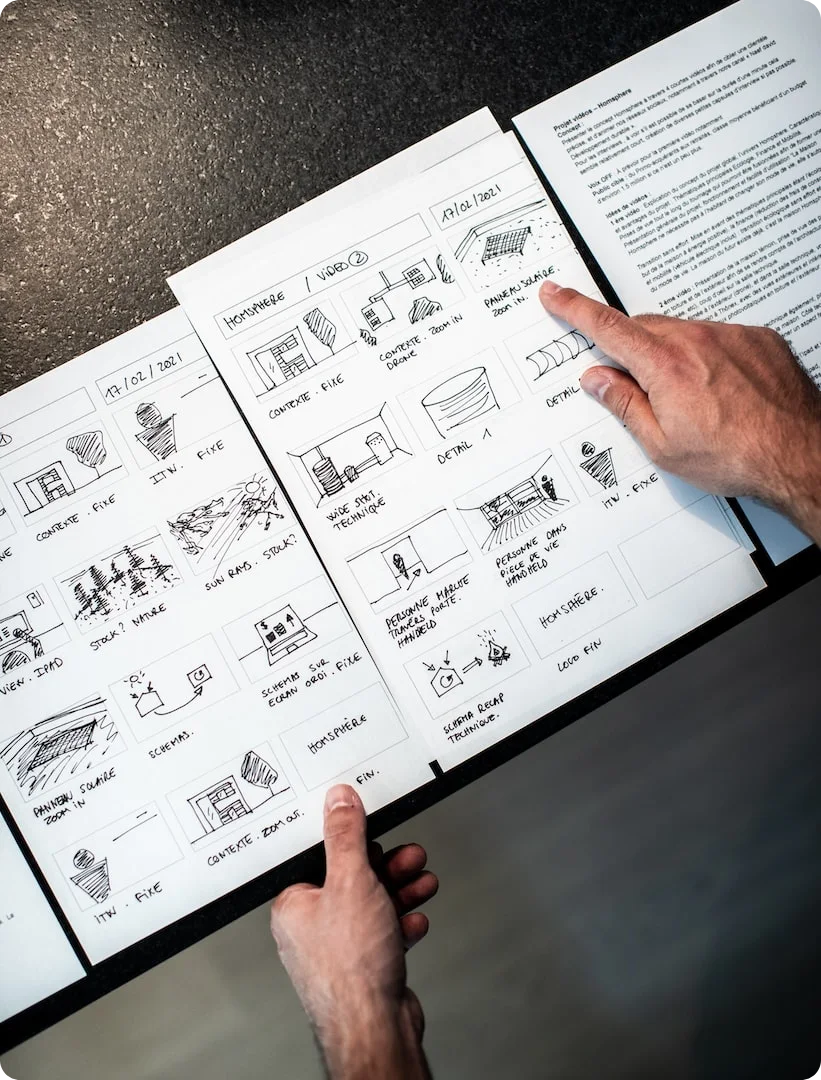
A storyboard is a visual representation of your story. It consists of images and text that will help tell your story. It’s just like a comic book.

The purpose of the storyboard is to help you plan your video.

It will help you figure out the best way to share your message. You can use it to see if you need to change the script or anything from your video.

If you don’t know how to make a storyboard, don’t worry, there are many online tools that you can use. Some good options include Plot, Studiobinder, and makeStoryboard.

Decide on the length of your video

If your video is too long, your audience will naturally lose interest.

The ideal length of a video depends on what kind of video it is, who your audience is, and what your goal is.

For example,

· Individual video of a training module for your new employee should be anything between 3 minutes to 5 minutes.

· A product demo for your sales team should be anything between 2 minutes to 10 minutes.

· An explainer video for your employees should be anything between 1 minute to 3 minutes.

Write a script

A script is what you will use to write your voice-over and guide your video production team.

If you have your storyboard ready, writing the script will be a cakewalk.

It’s important to make your script clear and concise. You don’t need to include too many details, as that will unnecessarily clutter your video.

Use the right tone and voice

Use the right tone and voice to speak to your audience.

If your audience is young, you should use a casual tone and a friendly voice. If your audience is senior executives, you should use a formal tone and a professional voice.

You also need to check that the tone and voice of your video are in alignment with your brand.

Brand it right!

Make sure your video contains your brand logo. Also, make sure that the colours and fonts you use are consistent with your brand image.

It's always preferable if your video player also contains the watermark of your brand and has your brand colors and styles. It will make your video look more professional and authentic.

Add the video to your internal comms channel

The next step is to add your video to your internal comms channel.

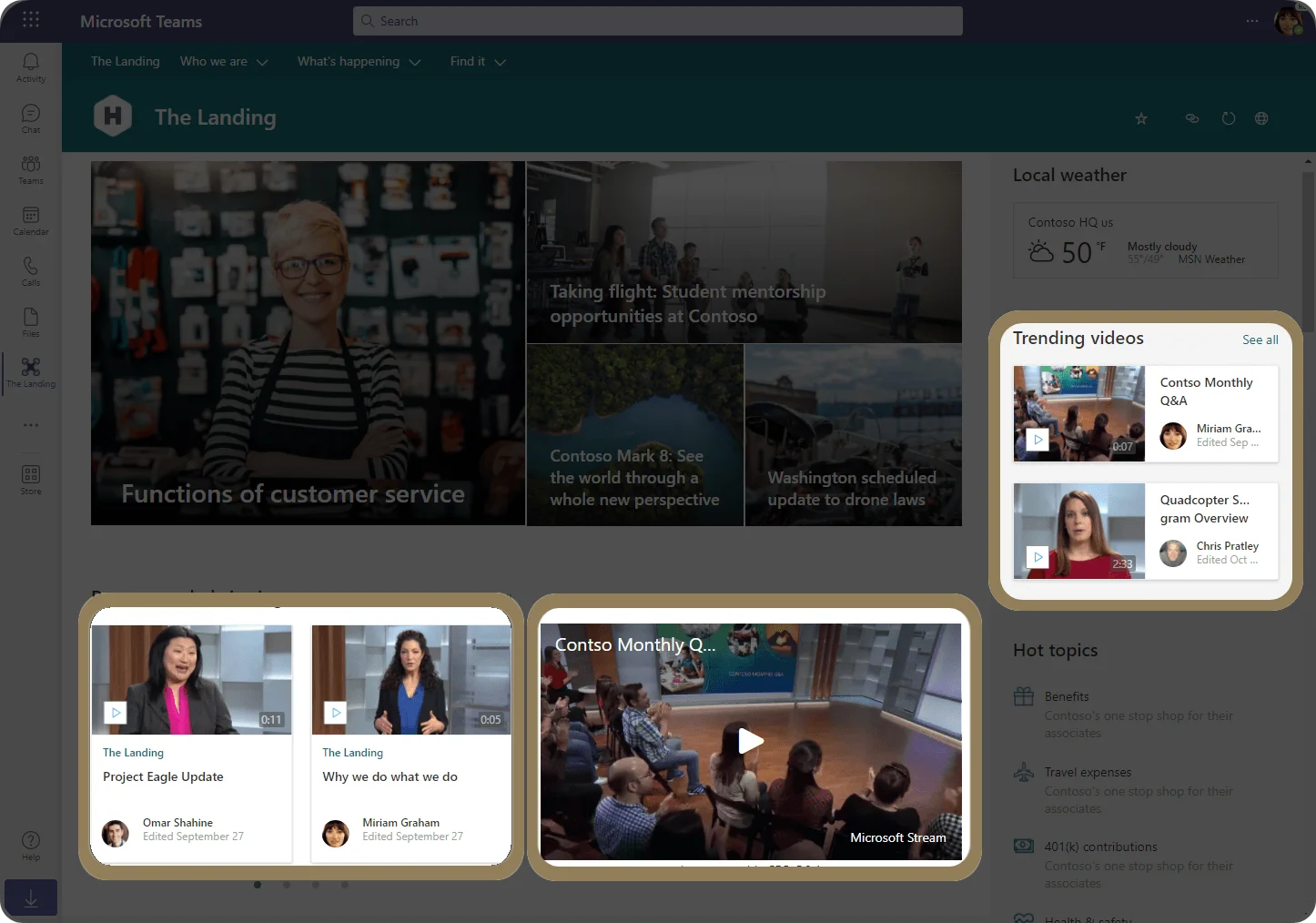
You can upload your video on your company’s intranet, internal messaging app, or the dedicated channel for it.

The platform you choose will depend on your needs.

If you’re looking for a more interactive way to share your video, you can use a live video streaming service. But if your goal is to share a message that can be viewed on-demand, you can use your internal comms channel.

Don't forget the technology

When you are working with videos, it’s important to consider the technology that your video will use.

You need to make sure that your video is optimized for all devices. If not, it will have a poor user experience and will not be a success – no matter how brilliant your content is.

Use a solution like Teyuto. Teyuto is the top-rated video management solution as per Garter’s GetApp. The video solutions provider not only empowers you with its proprietary delivery technology but also extends endless customizations (including video player branding), integrations, workflow automation, and a lot more!

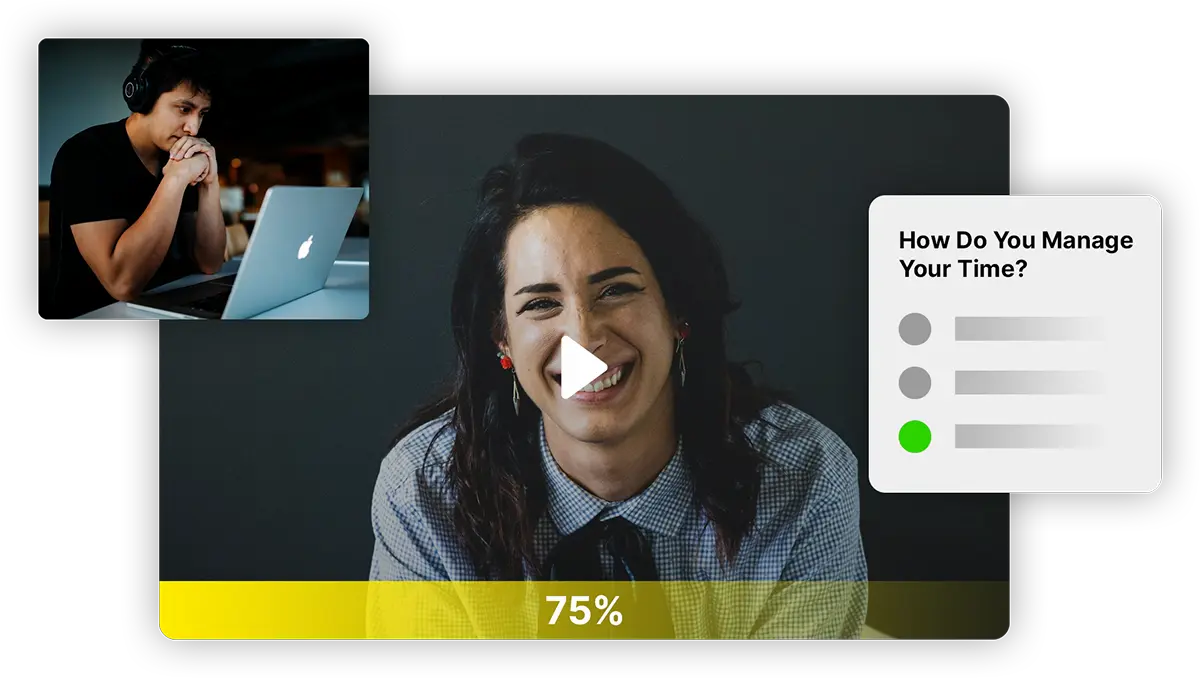
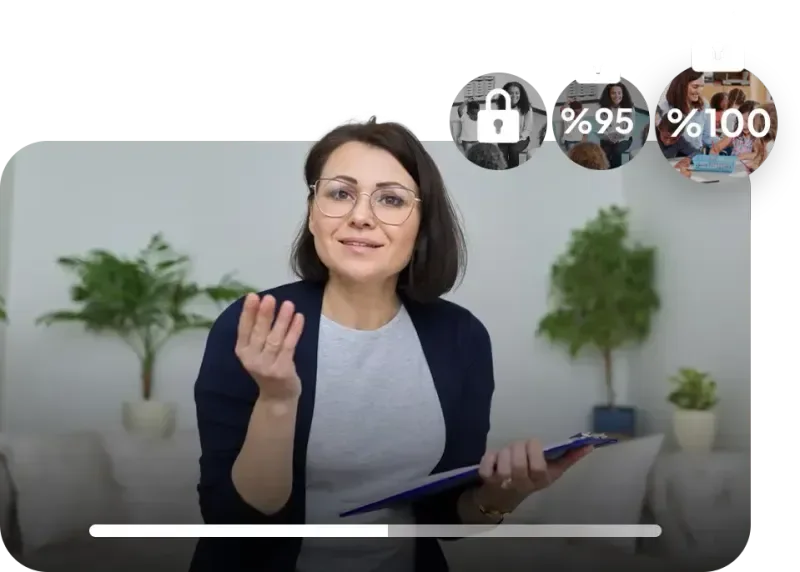
For instance, you can create Q&A videos for your L&D initiatives with Teyuto and ensure that the next video only unlocks if your employee achieves a particular score (or watch time.) You can further create personalized push notifications and emails to update employees as soon as a video relevant to them is uploaded. This level of customization is something that you’ll rarely find in the market.

In a nutshell, Teyuto has your back for your end-to-end video delivery requirements. If you want something highly customized, the team will go the extra mile to ensure the same. See it for yourself. Get a personalized demo today!

Measure the success of your video

Once you have decided where and how you’re going to share your video, it is time to measure its success.

You need to know if your video is successful or not. Is it achieving the goal that you set out to achieve?

Your SMART goals can use the following metrics to measure the success of your video:

· Views

· Audience retention

· Engagement (likes, shares, and comments)

· Clicks

· Traffic

· Conversions

Now, it’s time to learn about the things you should and shouldn’t do when making your internal communication video.

Do’s and don’ts of making internal communication videos

Now we’re going to talk about the do’s and don’ts of making internal communication videos.

Here are the things you should do when making a video for internal communication:

· Create a video brief

· Plan your video

· Keep your video short

· Include subtitles

· Use the right tone and voice

· Add a video to your intranet

· Measure the success of your video

· Make sure your video delivery is perfect and free of technical snags

· Include interactive elements such as in-video Q&As

· Add a call-to-action

· Include employees in your video

Here are the things you should not do when making a video for internal communication:

· Drone on (no pun intended)

· Make your video too long

· Include too many facts

· Leave your video to the last minute

· Use video delivery solutions or protocols that don’t support all devices or have a high loading time

· Make drab videos without any interactive elements

To wrap it up…

Internal communication videos are the future of employee communication. They help you reach your employees in a new and exciting format. They help you promote your company culture, values, and products and services. They help you establish trust, build a unified workplace, encourage transparency, and achieve your goals.

Make the most out of your internal communications. If you have any queries or want to book a demo for Teyuto’s corporate video solutions, book a demo today.

See you until next time! Stay amazing and stay creative. Godspeed!

Employee Engagement Activities during COVID & Remote Engagement

· 15 min read
Marcello Violini
Founder at Teyuto

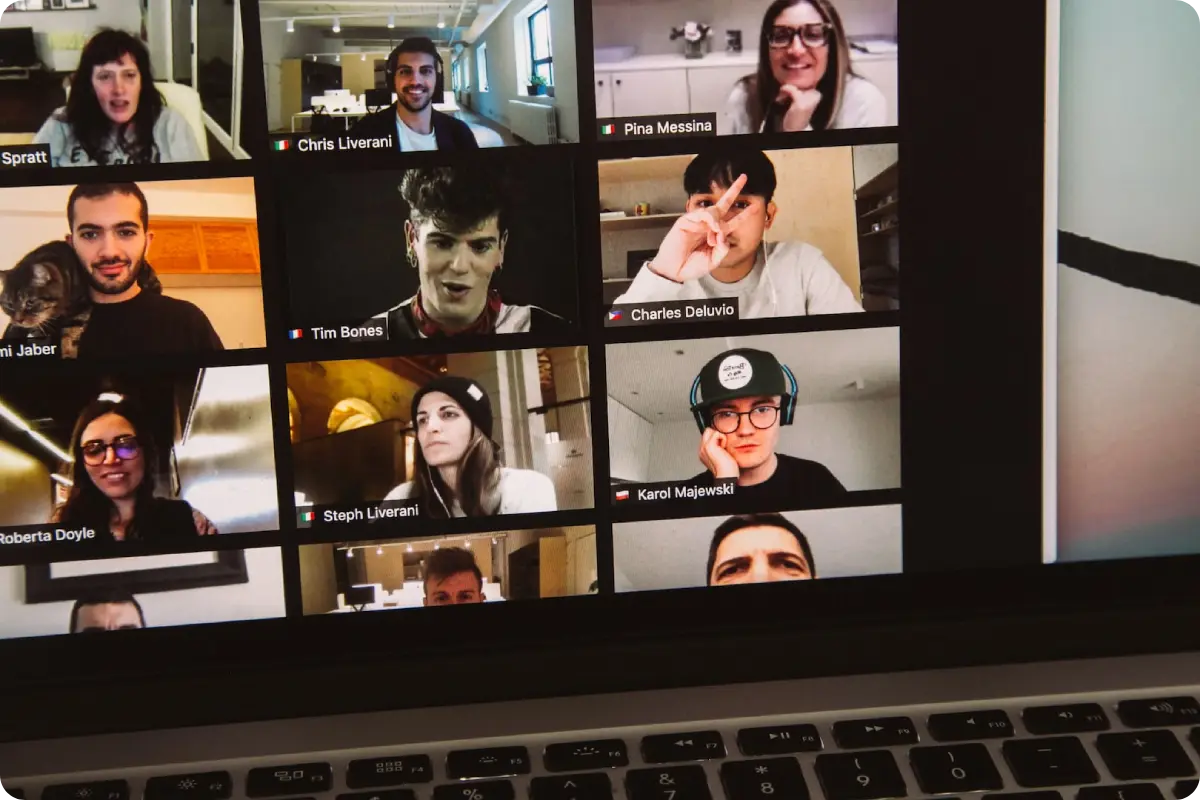
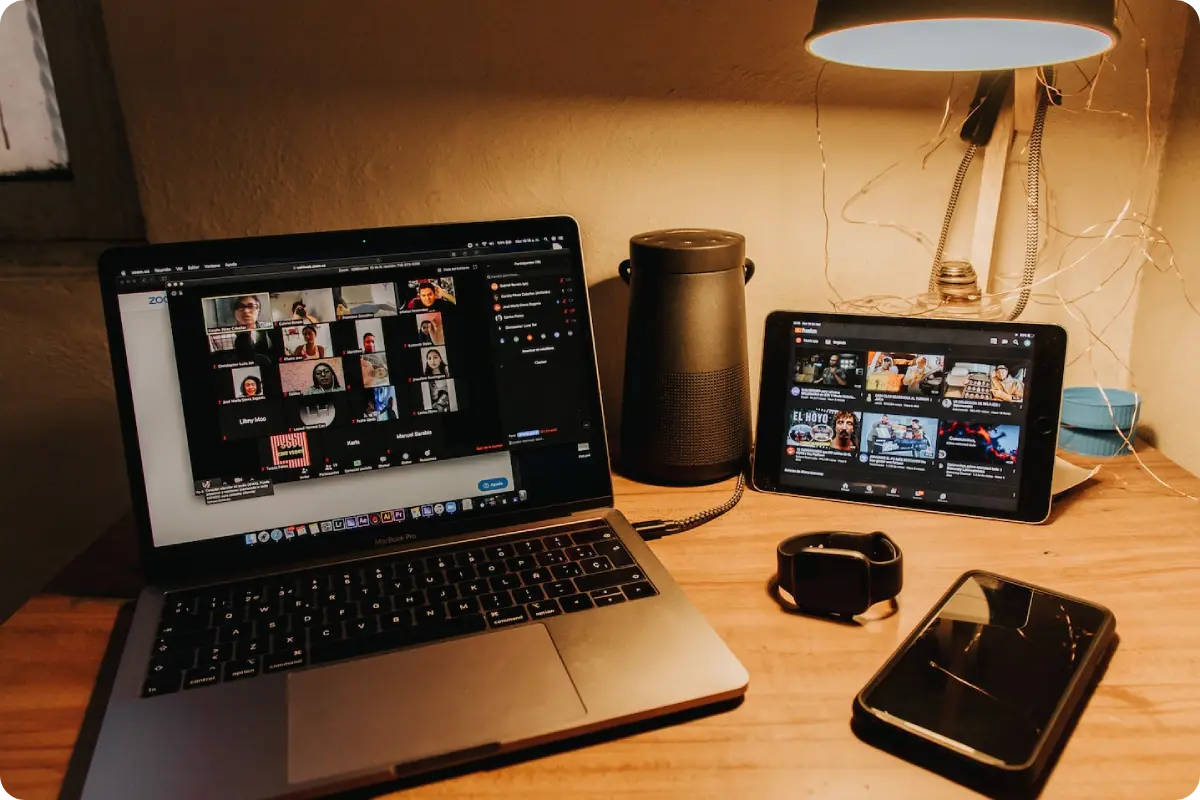
The world has changed around us. The COVID-19 outbreak was a black swan event that made us all reimagine the way we work. Companies and HR managers scrambled to shift their operations to digital platforms and remote employee engagement activities became one of the most important aspects of managing teams. The dilemma? Keeping employees engaged and motivated while working remotely.

Employee engagement activities during covid

According to a 2022 study by Gallup, 65% of employees in the U.S. are not engaged at work. Many of them are looking for a reason to be inspired. This posits a couple of questions directly to you. Do you have what it takes to inspire? Can you effectively drive employee engagement activities during COVID and beyond?

At Teyuto, we understand the importance of keeping employees engaged and motivated in this time of uncertainty. So, we have come up with some virtual employee engagement ideas to keep your staff engaged and connected in this era of hybrid work culture.

Revitalizing Virtual Employee Engagement in the Post-Pandemic Era: A Business Imperative

In the post-pandemic world, employee engagement activities are imperative. They have to be aligned such that they become the lifeblood of motivation, productivity, and engagement of employees.

Employees may feel isolated and disconnected from their colleagues, especially during remote work. If so, it can lead directly to a lack of cohesion and a decline in their morale.

Employee engagement activities

But, how exactly does employee engagement impact the business? Stats are what matter for any high-performing business. So, let's talk numbers.

The Impact of Employee Engagement

Business Benefits of Employee Engagement

Employee Satisfaction and Productivity

Retention Challenges

Leadership and Trust

Remote Work Adoption

Working Remotely: Emotional and Social Wellbeing

  • According to Harvard Business Review, remote working has resulted in 75% of employees feeling more socially isolated, 57% experiencing increased anxiety, and 53% feeling more emotionally exhausted.
  • Forbes also found that 20% of remote employees report lacking a sense of belonging and feeling lonely.

This highlights the importance of addressing the emotional and social needs of remote employees.

What are the advantages of remote employee engagement activities?

Employee engagement ideas

Advantages of remote employee engagement activities include:

  • Elevation of employee morale and motivation
  • Increased productivity and efficiency
  • Facilitation of team collaboration and communication
  • Improved connectivity and commitment to the organization
  • Augmentation of connectivity and commitment
  • Fostering a sense of belonging and community among remote employees.

Strategies for creating innovative remote employee engagement activities include:

1. Achievable goals

Set achievable goals, which provide a clear direction for employees and foster a sense of accomplishment.

2. Team-building activities

Utilize technology for virtual team-building activities, which can include virtual meetings, online team games, and quizzes.

Remote employee engagement activities

3. Foster creative problem solving

Promote collaboration and creative problem-solving, which will not only improve productivity but also enhance employee engagement and satisfaction.

4. Health and wellness

Encourage wellness activities, such as online fitness classes, online yoga sessions, and online nutrition classes, which can help to reduce stress and anxiety among remote employees.

5. Recognition

Celebrate success and recognize contributions to foster a sense of belonging and community among remote employees.

6. Prompt feedback

Provision of timely feedback and recognition. It will help in motivating and retaining remote employees.

7. Socialize digitally

Virtualize meaningful connections through video conferencing and virtual social events. You'll see a marked improvement in fostering a sense of belonging and community among remote employees.

Employee engagement activities during covid

8. Offer learning and development

Provide employees with learning and development opportunities, such as online courses, webinars, and seminars, which can help to develop their skills and foster professional growth.

Remotely Awesome: Examples of Remote Employee Engagement Activities During COVID

In the face of the COVID-19 pandemic, it's crucial to keep employees engaged, motivated, and connected to the organization.

Here are 25 innovative strategies for remote employee engagement that can help to foster a sense of community and belonging among your remote workforce:

1. Virtual Meet and Greet

Starting a new job can be overwhelming, but a warm welcome can make all the difference. Introduce new employees to their colleagues with a personalized video that showcases their background, interests, and unique talents. Imagine being able to put a face to the name of that colleague you've been emailing with for weeks, it can make all the difference.

Employee engagement activities

2. Virtual Happy Hour

Remote work doesn't mean missing out on the office social scene. Host virtual happy hours where employees can unwind, connect, and bond over a drink and a laugh. Try fun themes like "Tequila Tuesday" or "Wine Down Wednesday" for a playful twist. Remember that time when you shared a laugh over a beer with your colleagues? It's those moments that make work, well, not feel like work.

Employee engagement ideas

3. Learning and Laughter

A study by Gallup shows that connected teams are 21% more productive. Organize "Lunch and Learn" sessions where employees can learn something new, while also having fun with their colleagues. Host trivia sessions, workshops, or other engaging activities that foster connection and camaraderie.

Remote employee engagement activities

Who says learning can't be fun? Imagine the satisfaction of solving a riddle with your colleagues, or the thrill of winning a game with your team. And how about a virtual cooking class where everyone can share their recipes and cooking tips while enjoying a meal together?

4. Virtual Exploration

Give employees a chance to get to know their colleagues and the company in a more personal and interactive way. Organize virtual tours of different departments, offices or even team members' homes (if your employees want to, obviously.) Not only will it give them an idea of how the company functions, but it will also give them a glimpse into their colleagues' personalities and interests.

Employee engagement activities during covid

5. Bring Your Remote Team Together with Intranet Videos

Your company culture is more than just a set of values, it's the glue that holds your team together. Even when working remotely, it's important for your employees to feel connected to the company and each other.

Employee engagement activities

Intranet videos are the perfect way to bridge the distance and foster a strong sense of community among your remote team. From virtual team-building activities to employee spotlights, these videos can showcase the people, projects, and culture that make your company unique.

6. Virtual Celebrations

Remote work doesn't mean missing out on celebrations. Host virtual parties, events, and celebrations to mark milestones and accomplishments. Use Instagram or TikTok filters to add a playful touch.

Employee engagement ideas

Create a virtual birthday party for your team member, or celebrate a team's achievement by hosting a virtual team lunch. Make it more personal by including team member's favorite foods or games. Also, try coming up with creative themes or props to spice everything up!

7. Virtual Q&A

Even while working digitally, don't you want to know more about your colleagues' thoughts and ideas? Yes, you do, and so do their other counterparts. So, host video Q&A sessions where employees can ask and answer questions from their colleagues. Use live streaming or pre-recorded videos to make your Q&As more effective.

Employee engagement activities during covid

8. Virtual Learning

Incorporate videos into your learning and development initiatives to foster professional growth and development. Offer video-based training sessions, webinars, or other opportunities for employees to learn and grow in their roles. Use in-video questions and conditional access (such as 90% score or 100% watch time) to drive effective learning.

Remote employee engagement activities

9. Virtual Book Club

Make the most out of the bookworms in your organization. Organize a virtual book club where employees can read and discuss a chosen book together. This can foster connections and discussions among employees with similar interests. It might even give you ideas about people’s interests so that you can deploy them to projects that they’re excited about.

Employee engagement activities

Tip: Issue “Push Notifications” or “eMails” in-advance to ensure maximum participation.

10. Virtual Escape Room Challenge

Create a virtual escape room challenge where employees can work together to solve puzzles and escape the virtual room. It’s a good team-building exercise. Incorporate elements of gamification to make it more engaging and competitive. Don’t forget to theme it around your company's values, history, or goals, thereby giving your employees a sense of purpose and being more relatable.

Tip: You can use Teyuto’s in-video quizzes and even theme your video player including its colors, style, and watermarks.

11. Virtual Game Night

Host virtual game nights where employees can play games together and have fun with their colleagues. This can include board games, video games, or other fun activities. Encourage team members to suggest their favorite games, and make it a regular event.

Employee engagement ideas

12. Virtual Volunteerism

A study by Deloitte reports that 78% of employees whose companies encourage them to be innovative and creative are more loyal to their organization. Encourage virtual volunteerism to foster a sense of purpose and community among your remote team.

Employee engagement activities during covid

Organize virtual volunteer opportunities like tutoring children online or virtual fundraising for a charity. This will not only make a difference in the community but also bring the team together for a common cause.

13. Virtual Team Building

A study by Forbes shows that effective teamwork is essential for remote work success. Organize virtual team-building activities like virtual scavenger hunts, virtual cooking classes, or virtual escape rooms to foster collaboration and connection among your remote team.

Remote employee engagement activities

Take it a step further by creating a virtual team-building event that simulates a real-world experience. For example, you could organize a virtual team-building event that simulates a day of rafting on a river, where team members have to work together to navigate the virtual river and avoid obstacles.

14. Virtual Recognition

Recognizing and rewarding employees for their hard work and contributions is crucial for maintaining motivation and engagement. Host virtual award ceremonies, shoutouts, or even surprise virtual bonuses to acknowledge and celebrate your team's achievements.

The more personal the recognition, the better. It’s good to share anecdotes or stories of an employee's feat, and how it made an impact on the team or the company.

What about a virtual “Employee of the Month” award, where employees are recognized for their achievements, contributions and hard work? You can top it up with “Virtual Badges”, “Certificates”, or “Trophies” to acknowledge their achievements! While the rewarded employee will feel appreciated, others will be motivated to work harder as well. Food for thought!

15. Virtual Wellness

With remote work, it's easy to fall into a sedentary lifestyle. To combat this, organize a virtual fitness challenge to encourage employees to stay active and healthy. Create teams, set goals, and track progress.

Employee engagement activities

Do what it takes to make your wellness program a success! You can also experiment with friendly competitions and goodies or gift cards for the winning team.

16. Virtual Mentorship

A study by Harvard Business Review shows that mentorship can improve employee engagement, retention, and career development. Pair experienced employees with newer or less experienced employees for virtual mentorship sessions. This not only helps the mentees but also helps the mentors to develop their leadership skills. And who wouldn't want to take advantage of such an opportunity?

17. Virtual Community Service

A study by Deloitte shows that volunteerism can improve employee engagement, retention, and loyalty. Encourage virtual community services, such as virtual fundraising events or virtual volunteer opportunities to foster a sense of purpose and community among your remote team. It's not just good for the community but also good for the employee's well-being.

18. Virtual Icebreakers

Starting a virtual meeting or call can be awkward, especially for new or shy employees. Incorporate virtual icebreakers, such as virtual "two truths and a lie" or virtual "show and tell" to encourage employees to get to know each other better and break the ice.

Employee engagement ideas

19. Virtual Employee Appreciation Day

Your employees deserve a day or two to feel valued and appreciated, don’t they? Better yet, you can make it happen every week. So, say goodbye to the loathed “Monday Mood”. Replace it with “Motivation Monday” to kickstart the work week. How's that for a remote employee engagement idea?

You can also organize virtual employee appreciation days, such as "Thank You Thursdays" or " Appreciation Fridays", to show your employees that you care.

20. Virtual Networking

Networking has become even more important with the increased adoption of remote work. Encourage virtual networking by organizing events such as “virtual career fairs” or “virtual meetups.” Such initiatives can also help you lure in talent by giving prospective candidates a gateway into your company by meeting people they’d actually be working with.

21. Virtual Game Challenges

A study shows that gamification can improve employee engagement and motivation. Create virtual games to encourage employees to work together and have some fun.

Employee engagement activities during covid

22. Virtual Movie Nights

Spending time together as a team, even if it's virtual, can foster a sense of connection and camaraderie among employees. Host virtual movie nights where employees can watch a movie together and chat about it afterward.

Remote employee engagement activities

Use streaming solutions like Teyuto to facilitate the virtual movie night and add a sense of real-time interaction among employees with live chats, polls, and more! Your employees can even screencast the videos to their TVs if they want to.

23. Virtual Employee Suggestion Box

No matter what you do, there would always be n number of things you may just not be thinking about!

The point is that employee engagement is not just about organizing activities but also about listening to employees' suggestions and feedback.

Create a virtual employee suggestion box where employees can submit their suggestions and feedback anonymously. Implementing employees' suggestions not only improves employee engagement but also improves the overall work environment.

24. Virtual Talent Show

Everyone has talent, and what better way to showcase them than a virtual talent show? Organize a virtual talent show where employees can showcase their unique talents and skills.

Employee engagement activities

This can be a fun way to encourage employee engagement and build a sense of community among remote employees. Don't you want to know what hidden talents your colleagues have?

25. Group Challenge

Create group challenges where employees can compete against each other to complete tasks or goals. This could be a fun-learning activity or even something directly related to business outcomes. Incorporate elements of gamification and have leaderboards to make the group challenges more engaging and fun.

So, there you have it! 25 amazing ways to engage your employees during COVID and beyond. Which employee engagement activity was your favorite?

If you’re looking for a good corporate video solution with seamless cross-device delivery and impeccable branding, feel free to contact Teyuto today. Feel free to drop any question that you have.

Stay amazing, stay safe, and keep thriving!

Using Video for Learning & Development: Do’s, Don’ts, Benefits, Best Practices

· 16 min read
Marcello Violini
Founder at Teyuto

Welcome to the 21st century, where using videos for learning and development is about as revolutionary as using a pencil to write on paper. But just because it's common practice now, doesn't mean it's still incredibly valuable. For one, you must consider what you’re using your L&D initiative for. Your KPIs should be more than Continuous Professional Education (CPE) credits. They should have an actual business impact!

And videos can help you generate that impact. But only if you do everything right. Just think about it. Would you rather learn how to do your job from a boring textbook or from a charismatic, engaging video instructor? It's like choosing between watching paint dry or a Netflix series, the choice is clear!

And it's not just about entertainment. Video solutions can also save your company time and money. No more expensive travel costs for off-site training, no more lost productivity from employees being pulled away from their work (for days at a time.) Training and development can happen on-demand, at the employee's convenience. Video solutions even make it easy for remote teams to stay on the same page and continue to grow and develop together with their in-office colleagues.

So, whether you're still using textbooks or are a forward-thinking company already utilizing video solutions, this guide is for you. We'll take you through the benefits, best practices, and real-life examples of how OTT video can enhance your corporate learning and development programs.

By the end of this Teyuto guide, you'll know:

1. The benefits of using video for corporate learning and development

2. How to implement video solutions into your current programs

3. How not to implement video in your corporate learning strategy

4. Best practices for creating corporate learning and development videos

What are we waiting for then? Let’s go!

Benefits of using video for Learning and Development

Just like a movie can transport you to a different world, videos in corporate training can transport your employees to new levels of understanding and engagement. Unlike traditional methods, like reading dense text or listening to a monotone lecture, videos bring the material to life with visuals, sound, and motion. This dynamic format captures attention and holds it, making it easier for employees to retain and recall important information.

And let's not forget the power of video to personalize learning. With video, employees can go at their own pace, rewind, and review important parts of the training as many times as they need. This self-directed approach to learning allows employees to focus on the areas they need the most help with, resulting in greater understanding and proficiency.

In a nutshell, videos can bring a whole lot of difference to your employee training. Some of the benefits of including video in your corporate learning strategy include:

1. Videos can be entertaining:

Let's not forget about the entertainment factor. We all know how boring traditional corporate training can be.

But with OTT video, you can add a touch of humor, use interactive elements, and make the overall experience more enjoyable for your employees.

Imagine watching a training video presented by a character like "Bob the Boredom Buster" or "Samantha the Safety Superstar." It's like watching a funny, educational video instead of a dry, boring lecture.

Think about it, when you're watching a movie or a TV show, you're fully absorbed in the story and the characters. Now imagine bringing that same level of engagement and immersion to your training programs.

With video, you can bring real-world scenarios and examples to life, making it easier for employees to understand and retain information.

2. Flexibility and Convenience

When it comes to corporate training, flexibility and convenience are like the breads of the professional development world. And videos are like the peanut butter and jelly that bring them together.

Imagine having the freedom to learn at your own pace, rather than being tied to a strict training schedule. It's like being a kid again and getting to choose when you want to eat your broccoli.

And let's not forget about the added convenience of accessing video training from anywhere, whether you're at home, on the go, or even in the bathroom (hey, we don't judge). This is especially helpful for remote teams and employees who travel quite frequently.

Employees can determine a time that is best suited as per their unique schedule and workflow. In other words, they can learn when they are more likely to be engaged and focused. It’s a much better approach as compared to a ticking timebomb of "L&D Workshop at 12 PM" when you already have something that needs to go out by 12:30.

3. Competitive Advantage

In the corporate world, it's all about staying ahead of the game and having the upper hand on your competition. And when it comes to learning and development, using video is like having a secret weapon in your team training arsenal.

If your employees are learning and developing through engaging, on-demand video courses, they're going to be more skilled, more knowledgeable, and more motivated. And when your employees are at the top of their game, your company will be too.

4. Cost-effectiveness

What if I told you that video is not only more engaging and effective, but also a cost-effective solution?

Yes, traditional training methods often require expensive trainers or training materials, not to mention the cost of travel and lodging for off-site training. With video, you can create content in-house or use pre-existing videos from reputable sources, saving you money in the long run. Plus, videos can be reused multiple times, making it a one-time investment with continued returns.

5. Learning Outcomes

Videos further allow for easy measurement of learning outcomes. The same holds for employee engagement.

With features like Teyuto’s in-video quizzes, polls, and analytics, you can track employee progress and identify areas where they may need additional support.

This way you can also optimize your training programs and make sure that your employees are getting the most out of their learning experiences.

6. Scalability in Team Training

Team training is never easy. After all, it’s hard to ensure the availability of all employees at the same time. If your organization operates across different time zones, then it’s an even greater snag!

Videos can be a game-changer here as well. You can easily scale them to reach a large number of employees at once, even if they’re on different continents. This makes video training specifically important for organizations with a geographically dispersed workforce.

7. Endless Customizations

Another key advantage is its ability to customize everything as per the specific needs of your organization.

You can create your own rewards and video-linked custom workflows. You can tailor your training programs to align with your organization's goals and objectives. You can also use videos to provide specific feedback, recognition, and prizes for employees that complete their training.

Need a custom button? You're the boss. With Teyuto’s eLearning and corporate intranet solutions, let two added.

So, it’s time to forget those boring old PowerPoint presentations and handouts, videos are the new hotness.

But let's not get too excited. Just because we upload a video doesn't mean our employees will suddenly become geniuses. It's like trying to bake a cake with just flour and water, it's not going to be pretty.

Don't fret! In the next section, we'll show you how to effectively add the sugar and eggs (aka how to make your videos actually effective) to your corporate learning and development strategy. Spoiler alert: it's not just about hitting play and hoping for the best.

How to Use Video for Learning and Development

If you're going to use video in your corporate training programs, you need to do it right. With the right strategy, you'll be able to create engaging, effective, and entertaining learning experiences that get your employees excited. But without the right strategy, you might as well be reading a textbook.

Here’s how you can use video to enhance your employee learning and development programs:

1. Use Interactive Elements

Interactive elements are like the cherry on top of a delicious sundae. While videos are already engaging and effective, interactive elements take them to the next level.

Interactive elements, like quizzes and polls, allow employees to engage with the shared material on a personal level and make it more of an active learning experience. And with personalized feedback, employees can identify areas where they need more support.

Plus, with analytics, you can track employee progress and also identify where and how your training programs can improve.

Want to make your employee training more engaging and effective? Add some interactive elements to your videos and see the results for yourself. Your employees (and your bottom line) will thank you.

2. Use Gamification

Imagine being a kid again, and getting to play your favorite video game all day long. That feeling of excitement and engagement is exactly what gamification can bring to your corporate training.

By incorporating "game-like" elements like leaderboards, achievements, and points into your video training programs, you can make the learning process more fun, engaging, and competitive. It's like turning a boring math class into a game of Mario Kart.

And when your employees are having fun and feeling competitive, they're more likely to be engaged and excited about their learning experiences.

3. Measure the “Impact”

Measure the impact of your training. A 2022 study titled Measuring the Business Impact of Learning revealed that 32% of L&D professionals use “Learner Satisfaction” as a barometer for success. Another 14% looked at “Content Utilization” and 15% didn’t evaluate at all!

No! You are using videos to enhance the skills of your employees. You want to use those skills to generate momentum for your business. Make it a point to measure your L&D’s impact as such.

Your measurement shouldn’t be around vague parameters such as learner satisfaction, content utilization, or CPE earned. It should be something like “Skills Gained”, “Short-term Retention”, “Long-term Retention”, “Productivity Increased”, and so on.

4. Use Videos as a Resource

Typical training videos put people to sleep faster than a lullaby from a lullaby singer (if that's a thing). No, no, no. We're talking about videos that are like the ultimate cheat sheet for your employees.

Imagine having a video on hand for every situation, like a personal superhero for your workforce.

Need to brush up on your sales skills? BAM, there's a video for that.

Struggling with a customer service issue? BOOM, another video to the rescue.

These short, snappy videos are like the Swiss Army Knife of the corporate world, and your employees can watch them on their own time and use them as a reference guide for on-the-job questions and challenges.

So, let's put the "fun" in "functional" and make some awesome resource videos!

5. Use Video for Collaboration

Not only are videos great for keeping remote teams in sync, but they’re also add impetus to your L&D strategy, even if they're not in the same office.

Imagine being able to onboard new employees and make sure they're not just surviving, but thriving in their new role. Or, how about getting to know your coworkers on a deeper level, and building a company culture that's stronger than a fortress made of titanium.

Shareholder returns increase by up to 47% when internal communication strategies are effective. Food for thought!

6. Use Video to Recognize Employees

There's nothing quite like being recognized for a job well done. And there's no better way to reward and recognize your employees than with a personalized video.

With an OTT video platform, you can send personalized messages, gifts, and awards to your employees. You can also use videos to communicate company-wide announcements and initiatives.

7. Use Video as an Onboarding Tool

Onboarding is one of the most important aspects of the employee journey. Why? Because it's your first impression.

With video, you can create a fun, engaging, and memorable experience that makes your new hires feel welcome. You can introduce them to your team and company values, as well as provide important information and resources to help them get started.

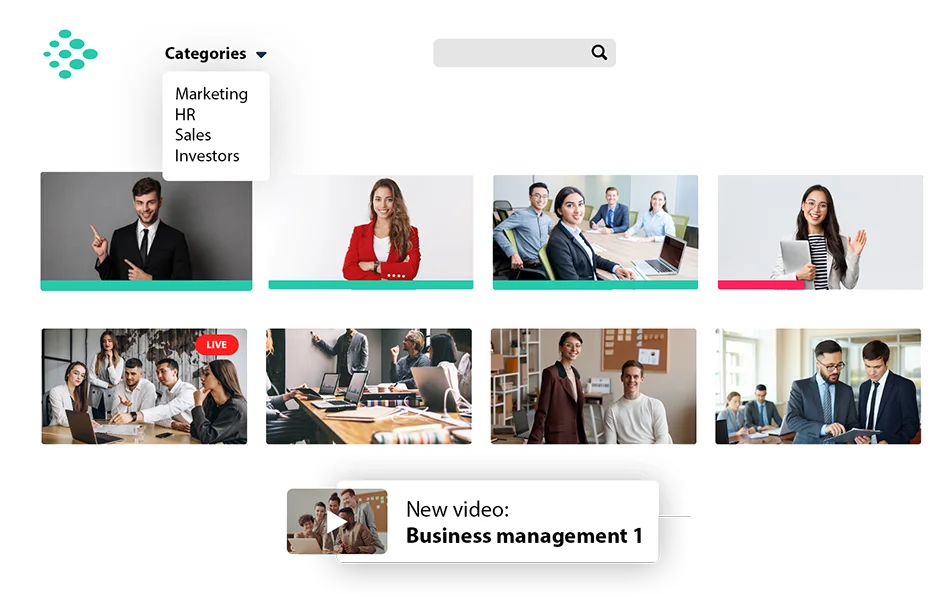
8. Embed Videos in your Learning Management System (LMS)

Do you already have a Learning Management System (LMS) in place? If so, then you're one step closer to incorporating video in your corporate training programs.

You can embed Teyuto’s solutions directly into your current LMS, giving your employees instant access to relevant resources. This allows you to capitalize on your existing LMS and give your employees the best of both worlds.

But why would you do that? This way, you can tap in-video interactive features and plug their results (Q&A, surveys, responses, etc.), reports, and insights directly to your LMS.

9. Encourage Employees to Create Videos

You don't have to be the only one creating videos for your corporate training programs. You can also encourage your employees to create their own videos.

This could be a great way to encourage engagement and collaboration, as well as provide employees with an opportunity to share their own experiences and perspectives.
10. Use Topical Videos

While we don't recommend dumping a load of information on your employees all at once, you can use topical videos to provide key information and resources to your employees.
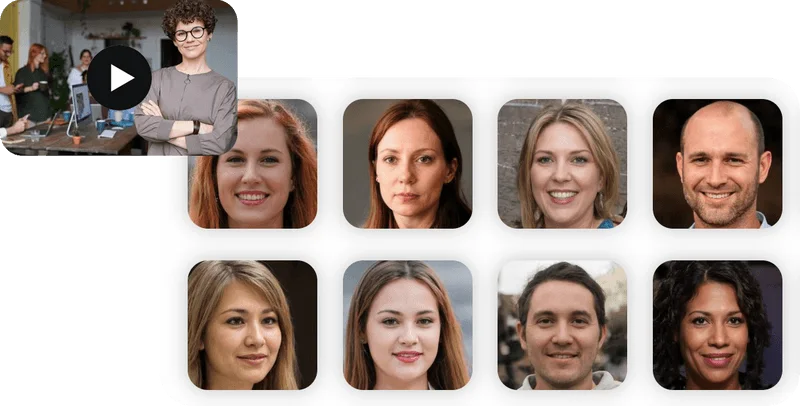
For example, you can create videos that focus on specific topics, like safety, sales, and customer service. These short, direct videos can be watched by employees on their own time and used as a reference guide for on-the-job questions and challenges.
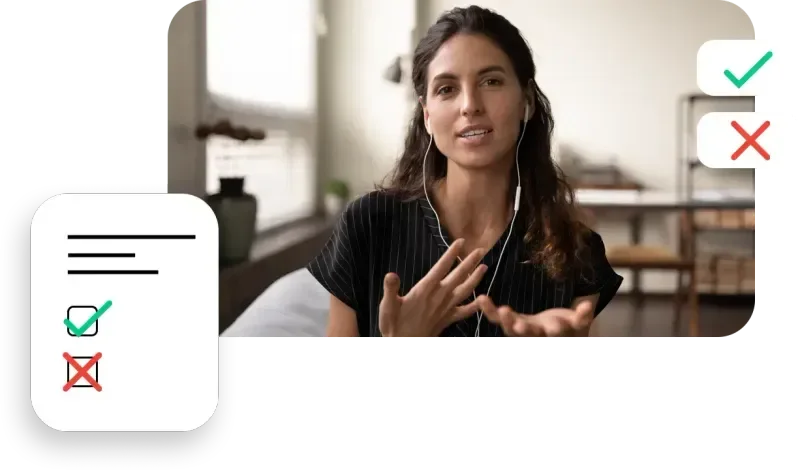
11. Provide Video Coaching
If you're already using video for your corporate training, then you're probably hooked. But like a drug, you can never have too much of it.

And the best way to get even more video in your corporate training is by using it for coaching. You can use videos to help employees master new skills, address challenges, and resolve issues.

This way, you can save time by fleshing out these videos and creating bite-sized FAQs out of them. So that your managers don’t have to repetitively answer the same questions over and over again, while making the tiniest of details clear for your junior employees.

Also, make sure to properly categorize all of this video content. Prevent information overload.

12. Use Videos for Mission-critical Learning

It's inevitable that your organization will need to roll out mission-critical learning, like compliance training or software updates, at some point.

With video, you can easily maintain the same level of engagement and personalization, even with mission-critical learning.

13. Create Videos to Address Common Issues

When it comes to learning and development, every company has its own set of challenges. Whether it's a communication barrier or a lack of resources, it's important to address these issues head-on.

And with video, you can create a personalized learning experience that helps employees master new skills and address challenges in real-time.

14. Use Videos to Explain Complex Topics

When it comes to corporate training, you can use video to explain complex topics in a way that is easy for your employees to understand.

Remember, the goal isn't to overload your employees with information, but rather to help them understand and retain important concepts. By using a visual format, you can make complex topics easier to understand and remember.

Likewise, there are also a couple of "Don'ts" that you must follow in your video-driven L&D strategy. They are as follows:

How Not to Use Video for Learning and Development

1. Apply the learning

Video is a great solution for corporate training and development. But it's not a one-size-fits-all solution.

According to experimental studies of memory, known as “The Forgetting Curve”, if the new information isn’t applied anywhere, 75% of information is forgotten just six days after learning it. Retention is 100% after just learning something and 58% just 20 minutes after it.

So, make it a point to create bite-sized learning modules that can be applied somewhere rightaway. It could be anything from a real-world application to a digital emulator or even an in-video quiz or problem statement.

It's also important to remember that video is a tool that you can use alongside other methods, like workshops and one-on-one coaching.

For example, if you're teaching your employees how to operate a machine, training them on a machine is imperative! Videos can’t (and shouldn’t) be a standalone learning material here.

To improve your training results, however, you can use videos to prep them before training and as a reference material when the training concludes. So, be smart with the use of videos.

2. Don't Create Videos for the Sake of It

We're not saying that you can't create videos just because you want to. But you should always have a specific goal in mind for each video.

Think about it, if you're wasting your employees' time with videos that don't matter, you're going to lose their trust. Not to mention, your employees are going to get bored and stop paying attention.

Instead, make sure that each video has a specific purpose and goal, like explaining a new concept or teaching a new skill.

3. Don't Make Videos Too Long

If you're going to use video for your corporate training, then you need to keep it short, sweet, and simple.

Remember, your employees are busy people, so you don't want to waste their time with long, boring videos.

Instead, make sure that each video is no more than a few minutes long and focuses on one specific topic or skill.

Expert Tip:

I'm a big fan of using video whenever possible (obviously). But I've seen countless companies make the same mistake: they focus on quantity over quality.

While it's great to create lots of videos, the key is to make sure that each video is engaging, entertaining, and effective. After all, if you're not getting the results you want, then what's the point?

4. Don't Put Everything in a Video (Avoid Information Overload)

We get it. You have a lot of information to share with your employees. But that doesn't mean you have to cram it all into a single video.

Instead, you should focus on creating short, direct videos that focus on specific topics and skills. This way, your employees can focus on one concept at a time, rather than trying to remember a ton of information all at once.

And when you break things up into multiple videos, you can stagger the release of each video over time, giving your employees a chance to process the information and practice their new skills.

In conclusion, incorporating videos into corporate training can bring a significant difference to employee development by providing an engaging and personalized learning experience.

If you want to learn more about videos and how to implement them in your corporate learning and development program, feel free to contact us. Our experts will be happy to help with any questions that you have or customizations you need.

Stream-lining Success: How Video Can Amplify Your Employer Brand & Win the Talent War

· 12 min read
Marcello Violini
Founder at Teyuto

In 1997, Steven Hankin coined the term “The War for Talent” in McKinsey’s quarterly briefings. What followed the suit were drumrolls of modern warfare. This war wasn’t to be fought on a barren island god-knows-where. Corporate boardrooms were supposed to be the new battlefields. Employer branding was positioned front and centre.

The original creative for McKinsey's "The War for Talent"Over the past two decades, corporations were indeed fighting for top talent in a war-like fashion. At times, they even opted for ruthless strategies to get crème de la crème. McKinsey’s slogan-ridden advertorials and eye-catching subheadings were the mere bugle call for the purported “end-game”. Now, it was all the more imperative to "brand your brand", or keep employer brand marketing initiatives at the heart of everything.

A quarter of a century has passed since then. People have made all sorts of claims, from asserting the talent war is coming to an end to claiming it will intensify going forth. A few even went ahead and described the talent war to be the most elaborate conspiracy theory ever created.

All things considered, it’s safe to say that the war for talent is real. We can see it everywhere. Companies compete aggressively to lure in the best minds. After all, it’s the talent that gets everything done. It is the driving force behind product development, impeccable services, and ingenious solutions to unmet market needs. And, this war is far from ending anytime soon. It has transformed, and will continue to do so in the future.

However, the focus has now shifted from a war of attrition to a war of innovation. Companies that embrace new and innovative ideas viz. employer branding have an absolute upper hand against their peers. For instance, did you know that an average adult in the U.S. watched 167 minutes of TV video and 149 minutes of digital video per day in 2021? That’s more than 5 hours of video content every day. Ever thought of making video an essential part of your employer brand strategy? Not just a brand story video. A comprehensive video-driven employee branding strategy?

Since you’re reading this blog, we believe you did!

So, without further ado, let’s understand how you can creatively use videos to build a strong brand and emerge as one of the top employer branding companies.

A High-Level Overview of Video in Employer Branding

When we think about employer branding, especially in the context of videos, the first thing that comes to our mind is brand video production. But there’s more to it. Videos can be effectively utilized at every step of your employer branding process.

In this blog, we’ll be discussing innovative techniques that you can use including:

1. In-video quizzes in research and application processes

2. Video interviews to replace traditional face-to-face interviews

3. Branded story videos for social media channels

4. Employer branding videos for the career page

5. Video-based training to upskill employees

6. A day in the life videos to market the actual work environment

7. Intranet videos to build a strong company culture

8. Welcome kits for new employees

9. Exit interviews to avoid any unwarranted attrition

10. Stealth marketing via brand placement, influencers, and creators

Let’s understand each of these stages in detail to understand the power of video in employer branding.

#1 In-video Quizzes in Research and Application Processes

Do you rely on typical form-based approaches for your research, employee feedback, and application process? It’s high time to change that.

Yes, you can leverage in-video quizzes to make feedback forms more seamless and intuitive. For instance, during your research, you can place such polls in your employee-facing content to gather their thoughts about, say, company culture or the job itself. This way, you can assess their attitude and aptitude towards their respective positions. It will also help you unravel salient features to highlight while giving you a sense of direction on how you must approach your hiring strategy.

Such implementations can further leave a lasting impact on your candidate experience and overall branding strategy.

According to a survey, candidate experience influenced 80% of job seekers to accept the offer at their current employer. And it makes sense. Wouldn’t you be more willing to work with an employer that values your experience? How willing would you be to do it if the experience is otherwise? Also, good candidate experience not only decreases the likelihood of a negative review (37%) but also improves the chances of getting a positive one (61%). So, a couple of brownie points there.

To do so, you can conduct a pre-screening video interview. Just ask a prospective employee to record a video of themselves answering your interview questions.

This way, you can quickly assess their communication skills, body language, and overall personality. You can also ask your prospects to record a video of themselves performing a task. For instance, if you're hiring a developer, you can give them a development assignment and record it using Teyuto Clip or Loom. You can then assess their code, the time taken to complete the task, and the overall quality of their work.

#2 Video Interviews to Replace Traditional Face-to-Face Interviews

A typical interview can last for 15 to 90 minutes. Imagine doing that for 20 promising candidates. That’s a lot of time and effort!

We shouldn't forget that, at the end of the day, we're humans. Extensively interviewing leads to interview fatigue, which affects the quality of our hires. A solution to this quagmire can what you’re already doing – video interviews! The only difference is to replace face-to-face interviews completely with them and start using video analytics solutions.

Reason? A lot has changed in the world of video analytics. Now, you can even gauge candidates by their voice profiles, micro-expressions, word choices, and other non-verbal cues. It also brings down the time to hire substantially, allowing you to quickly onboard the right talent with a high degree of precision.

#3 Branded Story Videos for Social Media Channels

According to a survey, 77% of job seekers prefer to know about the corporate culture before applying to a company. Another study revealed that 73% people aged between 18 and 34 years found their last job via social media. It’s clear that people want a taste of the internal workings of a company - and social media is a great place to look.

Social media is also the most widely used platform for talent acquisition. Even better, it has a ready audience to consume your content. So, why not produce branded story videos to let job seekers see what they are getting themselves into?

Your branded story videos should be well thought out and focus on your company culture and how your company culture can positively impact a job seeker’s life. It’s best to chronicle the employee journey and highlight their success stories. These stories must subtly incorporate your vision and mission, ethics, and the overall work environment. The idea is to show the human side of your organization and lure in the best candidates that are a culture fit.

Here's a great example of an employer brand marketing video:

#4 Employer Branding Videos in Job Postings & the Career Page

Your job post and career page are the most important pieces of real estate for your talent acquisition efforts. 63% job seekers consider the career pages as a valuable resource. So, it’s imperative to invest in them.

But, you can make your job postings and career page even more enticing by embedding employer branding videos on it. Job postings with a video receive 12% more views while improving the application rate by 34%.

The idea is to share videos that highlight the most important aspect of your company, especially for that particular job. For instance, the video above clearly states that there’s “no glamour in beermaking” and then it gives it a spin that there’s “a lot of glory” in crafting beers.

Just be honest (while being exciting). It’s the best way to motivate people to apply for any position.

#5 Video-based Training to Upskill Employees

Earlier, a Learning Management System was a luxury that only large companies could afford. But the rapid pace of technological advancement has made it an indispensable part of any organization.

No, it’s not just about having an LMS. It's also about how you leverage it to upskill your employees and make learning more engaging.

The answer is video.

Most people learn better by watching a video rather than reading a lot of text. It’s easier to understand complex concepts, follow steps, and visualize the process. It also improves the overall learning experience and retention.

Let’s say you’re hiring a bunch of people. They are coming from diverse backgrounds, and they aren’t well-versed in your company’s processes, core values, and vision.

You can’t spend hours, days, weeks, and even months teaching them everything, right? So, what do you do?

The easiest solution is to create an on-demand training video for your employees. Share it with your new hires and let them learn everything at their own pace. The best part is that they can revisit the video anytime to brush up on their knowledge. Such practices not only improve productivity but also drive better employee engagement.

#6 A Day in the Life Videos to Market the Actual Work Environment

Don’t you wish you knew what it was like to work with a particular organization?

A day in the life videos lets you do just that. It’s a candid video to show what it’s like to work in a particular department within a company. It’s a great way to give people an insight into the work environment and convey the daily challenges of a particular role.

It’s especially useful when you’re hiring for a unique position. No matter how well-worded your description is, there’s always a chance of misconceptions. A day in the life video helps you overcome that by giving people a first-hand experience.

It’s the best way to highlight the mundane aspects of your company and win the hearts and minds of the best talents.

#7 Intranet Videos to Build a Strong Company Culture

A company’s culture is the soul of its identity. It’s the keystone that binds everything together and provides the employee with an identity of their own. It’s not just about the usual perks like health insurance or stock options. Instead, it's about the culture that you are fostering in your organization.

In today's largely digital work environment, intranet videos are the best way to convey your company culture. They help you bind the entire workforce in a single thread, especially when some of them are working remotely.

The best part? It can be accessed anywhere, anytime.

You can feature a new hire in the video that shares their experience of working at your company. Share a video that talks about the perks of working with you. You can even share content that talks about your core values and ethics.

Such videos are an excellent way to stay connected with your workforce while nurturing a sense of community.

#8 Welcome Kits for New Employees

Onboarding can't be stressed enough in the employee journey. It’s the first step towards a long-lasting relationship, and it needs to be done right. Welcome kits are a great way to make your new hires feel welcome.

You can send them a welcome kit that includes a welcome video from the CEO, a welcome letter, and a gift.

It’s a great way to personalize the onboarding and make your new hires feel valued. You can also have your all employees record a fun video about themselves, the jobs that they do, and upload it to your corporate intranet. This will make your cross-department collaboration much more seamless.

#9 Exit Interviews to Avoid Any Unwarranted Attrition

Do you know that about 75% organizations conduct exit interviews? However, only 1% do it right. Yes, a study by Harvard Business Review, revealed that 70.9% of companies let their HR departments handle the exit interview while 8.9% let an outgoing employee's immediate supervisor's manager to do the job. Roughly 19% even handed the baton to the employee's direct supervisor.

But why are these stats problematic?

The study found that people are not truthful to their supervisors in exit interviews. Perhaps, because they want references. They are also outrightly dishonest with the HR team. The research revealed that exit interviews were only effective if done by an external consultant.

So, where does video-based exit interviews fit into the picture? A video-based exit interview conducted by an external consultant is the way to go if you want to improve your retention rate. It’s the best way to get honest feedback and take the right steps to prevent any unwarranted attrition. Furthermore, you can also leverage video analytics to gauge the micro-expressions of an employee to determine the quality of their responses.

#10 Soft Promotion via Brand Placement, Influencers, and Creators

Have you watched "The Internship"? You might have noticed the branding of Google throughout the movie. Not just that, several "Google" products were featured in the movie.

It’s called brand placement, and it’s a form of stealth marketing. It’s frequently used by most top employer branding companies to subtly promote their brand.

You can do it in two ways – either by working with an influencer or creating your own branded content. For instance, you can rent out your workplace to an influencer or content creator in exchange for a shout-out in their content. Alternatively, you can collaborate with them to create branded video content.

To Wrap It Up…

Video is the most powerful medium for conveying a message. It’s an essential part of your employer branding strategy. It’s the best way to showcase your company culture, attract the best talents, develop a strong employer brand, and improve employee engagement.

By utilizing videos at each stage of the employee journey, you can emerge as one of the top employer branding companies.

Experience the power of videos first-hand with Teyuto’s comprehensive video solutions. Book a personalized demo today.